Every CI VISION lens is built on MPC-H, a phosphorylcholine material that shares the molecular structure of the human cell membrane. Biocompatibility is not a feature we add. It is what the material is made of.
MPC (2-Methacryloyloxyethyl Phosphorylcholine) is the same phospholipid structure found on the outside of human cells. A lens surface built from it is read by the eye as familiar rather than foreign, which is what lets wearers keep lenses in longer with less dryness and irritation.
Molecular structure similar to the human cell membrane, so the eye reads it as familiar.
High natural wettability provides more natural, all-day surface moisture.
Sustains oxygen flow to the cornea for healthier long wear.
Inhibits adsorption of protein and lipids, slowing deposit build-up.
Reduced surface friction for a gentle feel against the eyelid.
Suppresses eye irritation across a longer wearing time.
We select water content and base curve to match the intended wear cycle and climate. Higher water content for a fresh daily feel, balanced grades for all-day monthly wear.
| Property | Range | Note |
|---|---|---|
| Material | MPC-H (52% PC HEMA) | Phosphorylcholine surface |
| Water content | 48% | Standard soft lens |
| Base curve (BC) | 8.7 mm | Standard |
| Diameter (DIA) | 14.0 mm | Larger for iris on request |
| Center thickness | 0.06 - 0.09 mm | At -3.00 D |
| Power range | 0.00 to -10.00 D | Toric adds CYL and AXIS |
Every lens runs the same documented sequence in our own cleanroom.
The colour design is pad-printed as the first layer of our I.C method.
Monomer is dosed into the moulds under controlled conditions.
The monomer is cured into the finished lens geometry.
Lenses are released from the moulds and collected.
Dimensions, optics and colour are checked against specification.
Residual monomer is washed out and the lens is hydrated.
Filled into blister or vial with solution, sealed and sterilized.
Cartons are packed, labelled and released for export.
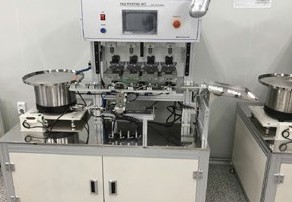
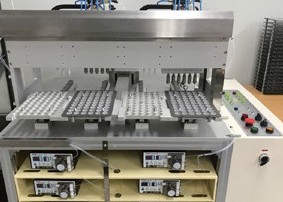
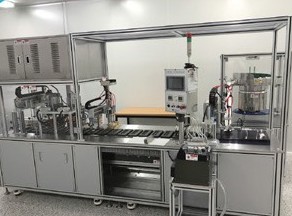
Production equipment at our Chilgok plant.
Send your target market and wear cycle. We recommend the right material grade and parameters.